









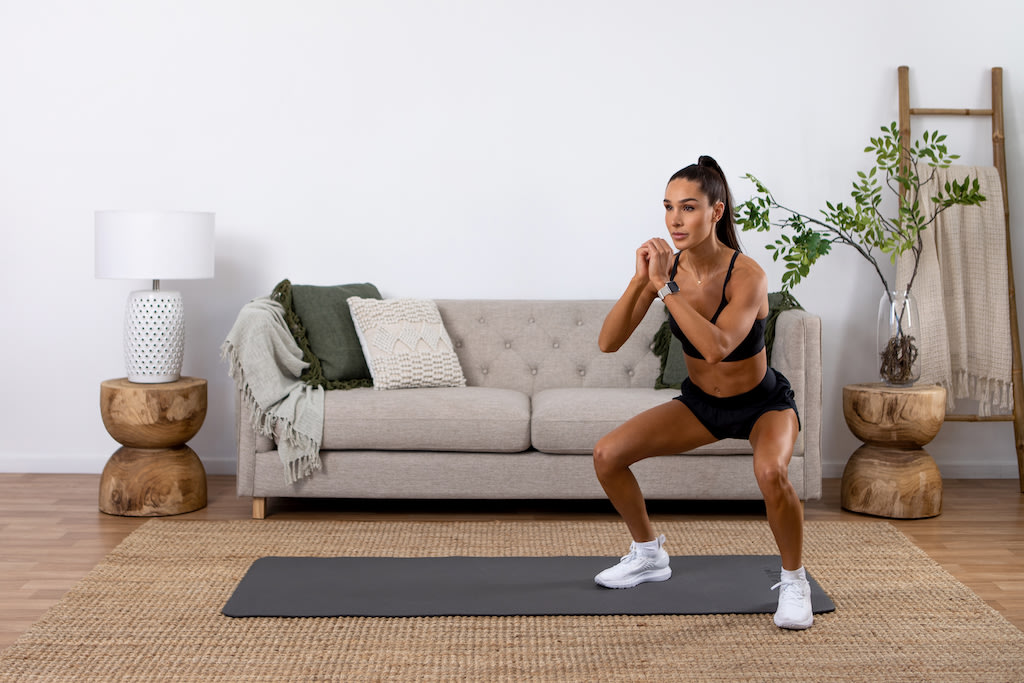
Singapore’s living spaces are famously compact, yet yoga continues to thrive. Practitioners who live in small apartments often think they need an expansive studio to move freely, but the truth is, vinyasa yoga adapts beautifully to limited areas. The essence of vinyasa is fluidity and awareness, not physical space. With mindful adjustments, anyone can cultivate a powerful, transformative flow within just a few square metres.
The Rise of Micro-Living and Its Influence on Yoga Habits
As city living becomes denser, the average home space has decreased. This shift has encouraged creativity in daily routines, including how people practise yoga. Compact-living culture is no longer an obstacle but an opportunity to redefine the meaning of spaciousness.
In Singapore, where efficiency is celebrated, yoga practitioners are learning to value precision over expanse. A confined space naturally demands more focus on alignment and rhythm. When the boundaries are close, the practice becomes more introspective and precise, offering an unexpected benefit—deep concentration.
Understanding Spatial Awareness in Limited Areas
Practising vinyasa in a small apartment encourages heightened spatial intelligence. You become aware of every corner, wall, and object around you. Instead of moving widely, you move intentionally. Each transition must be deliberate, each breath synchronised to movement efficiency.
Spatial awareness in compact practice means:
-
Mindful placement of limbs to avoid knocking into furniture.
-
Controlled transitions that train balance and strength.
-
Optimised breathing patterns that match the room’s airflow.
This refined awareness develops proprioception—the sense of body positioning in space—which enhances posture control even outside yoga sessions.
The Aesthetics of Compact Practice
Small spaces invite simplicity. They encourage decluttering, minimalism, and sensory focus. When distractions are removed, energy channels open naturally.
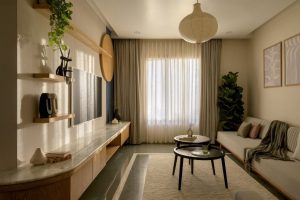
Creating a compact yoga corner can transform the mood of a room. You do not need elaborate décor; you need clarity. Choose neutral tones, natural light, and grounding materials. Wooden or cork mats help absorb impact while maintaining stability.
A few carefully chosen elements make a difference:
-
Soft lighting reduces visual noise.
-
Foldable props save space and enhance versatility.
-
Air circulation prevents fatigue and supports steady breathing.
Minimalism is not about less—it’s about meaning. Every detail in a micro-space has purpose.
Flow Design: Structuring a Practice That Fits Any Floor Plan
Traditional vinyasa sequences can be adjusted to fit your environment. The key is to maintain continuity while minimising lateral movement. Replace wide transitions with vertical ones and favour grounded flows.
For example:
-
Sun Salutations (Surya Namaskar A) fit perfectly in tight layouts if step-backs are shortened.
-
Warrior poses can be modified with micro-adjustments to stance width.
-
Twisting sequences and seated flows work well within limited square footage.
The result is a compact flow that maintains rhythm, breath, and intensity without losing depth.
The Psychological Shift: Redefining Freedom
Many people associate freedom with physical space, but true freedom lies in adaptability. When you practise vinyasa in a small home, your perception of space changes. You start noticing how much energy can expand beyond physical dimensions.
This shift nurtures emotional resilience. Confinement transforms into creativity. Instead of focusing on limitation, you explore possibility—how the body, breath, and awareness can make a small area feel infinite.
The Role of Technology in Compact Living Practices
Urban practitioners often use technology to guide home sessions. Smart TVs, compact speakers, or virtual instructors can bring professional flow guidance to the smallest corners.
However, the challenge lies in maintaining connection. While online platforms offer convenience, it’s essential to preserve the sensory stillness of real practice. Switch off distractions, dim screens after the sequence, and give silence time to settle.
A good approach is to use technology as a start point but let intuition take over midway. Once you remember your sequence, practise with screens off. This deepens the internal connection that defines vinyasa.
Micro-Spaces and Energy Efficiency
From a sustainability perspective, compact living aligns with the core values of yoga—conservation, mindfulness, and harmony. Small-space practice reduces resource use, promotes eco-conscious design, and minimises unnecessary consumption.
Even in movement, smaller transitions mean lower strain on joints and reduced fatigue. Practising with limited motion can become restorative, balancing intensity with calm. This subtle efficiency mirrors how modern urban life can be both productive and peaceful.
Sound and Sensory Control
Sound design matters when practising in close quarters. Hard surfaces can amplify echoes, while small enclosed areas may trap external noise.
To cultivate focus:
-
Use soft rugs or cork flooring to absorb sound.
-
Play ambient natural tones rather than music with lyrics.
-
Keep windows slightly open to balance acoustics and airflow.
Scent also shapes the environment. Light essential oils like eucalyptus or lemongrass refresh the air without overwhelming it. These small sensory details transform a regular living area into a personal studio.
Breathing in Confined Spaces
Air quality affects focus and stamina. When space is limited, carbon dioxide levels can rise faster during deep breathing. To maintain balance, ensure good ventilation. Practise near a window or under a ceiling fan at low speed.
Breathing techniques that support compact practice include:
-
Ujjayi breath, for steady rhythm and air regulation.
-
Equal-ratio breathing (sama vritti), which keeps movement calm.
-
Nasal breathing, which filters air and prevents dryness indoors.
When breath aligns with space, energy flows without strain.
Creating a Ritual in a Small Home
Micro-space practice thrives on ritual. Begin by creating a transition routine that separates daily life from yoga. Light a candle, roll out your mat, or simply pause for thirty seconds of silence before starting.
This simple action conditions the brain to recognise “yoga time.” The body then responds with alertness and receptivity, no matter the environment. The goal is not to escape the home setting but to transform it into a sanctuary of movement.
Compact Flow Examples
Here are three micro-space-friendly flows you can experiment with:
-
Grounded Balance Flow: Mountain → Forward Fold → Half Lift → Low Lunge → Chair Pose → Seated Twist.
-
Seated Mobility Flow: Easy Seat → Seated Cat-Cow → Side Stretch → Seated Forward Bend → Bound Angle Pose.
-
Vertical Energy Flow: Standing Backbend → Chair Pose → Crescent Lunge → Pyramid → Tree Pose → Forward Fold.
Each sequence fits comfortably within two metres and maintains the dynamic pulse that defines vinyasa.
How Instructors Are Adapting to Urban Living
Studios like Yoga Edition have recognised this evolution. Many instructors now design sequences specifically for compact spaces, ensuring flow efficiency without losing creative expression. Online sessions are shorter, posture-oriented, and rhythmically aligned with small-room conditions.
The shift reflects a broader movement: yoga adapting to real-world constraints instead of demanding ideal conditions. It proves that the essence of vinyasa lies not in how far one can move, but how deeply one can connect.
FAQs
Q1: Is it safe to practise vinyasa yoga in small spaces?
Yes. As long as your mat fits and you maintain awareness of surroundings, it is entirely safe. Compact spaces encourage slower, controlled transitions, reducing injury risk.
Q2: What type of yoga mat suits small apartments?
A lightweight, non-slip mat that can be rolled or folded easily is ideal. Cork and natural rubber mats balance grip with eco-friendliness.
Q3: Can practising in a small space affect posture quality?
Not if alignment remains your focus. Use walls to check form and refine stability. Small areas enhance body control rather than limit it.
Q4: How can I maintain motivation when practising alone at home?
Set specific class times, use calming playlists, and end each session with stillness. A small ritual like lighting incense helps maintain consistency.
Q5: What’s the biggest advantage of compact-space practice?
It cultivates discipline and concentration. You learn to work with your environment instead of resisting it, which deepens self-awareness.
In a world of crowded cities and fast-paced routines, the ability to create serenity within small spaces is invaluable. With mindful design, efficient flow, and emotional presence, vinyasa yoga becomes a reminder that true spaciousness begins within, not beyond the walls around you.


