













Introduction
Furniture is the backbone of any interior space, shaping its look, feel, and everyday usability. Whether you’re designing a modern apartment or upgrading a traditional home, the right furniture choices can transform ordinary rooms into functional, stylish environments. This guide covers essential furniture types, quality indicators, materials, and smart shopping strategies to help you make confident decisions.
Understanding the Role of Furniture
Furniture does more than occupy space—it defines how a room functions and how comfortable it feels. Beyond practical use, it influences mood, supports productivity, and reflects personal style.
Why Good Furniture Matters
-
Longevity: Quality craftsmanship ensures items withstand daily use.
-
Comfort: Ergonomic features support posture and physical well-being.
-
Aesthetic Appeal: Enhances décor and creates visual unity.
-
Functionality: Multi-purpose or well-designed pieces improve organization.
-
Property Value: Well-furnished spaces often appear more inviting and valuable.
Common Types of Furniture
Living Room Furniture
The living room serves as a social hub, and its furniture should balance comfort with style.
-
Sofas and sectionals
-
Coffee and side tables
-
TV stands and media units
-
Recliners and accent chairs
Bedroom Furniture
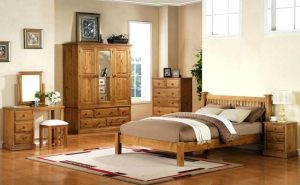
This space requires pieces that promote rest and storage.
-
Beds and headboards
-
Nightstands
-
Dressers and wardrobes
-
Vanity tables
Dining Room Furniture
The dining area blends practicality and hospitality.
-
Dining tables
-
Dining chairs and benches
-
Buffets and sideboards
-
Bar stools
Office Furniture
For productivity and efficiency, functional pieces matter most.
-
Desks and workstations
-
Office chairs
-
Filing cabinets
-
Shelving units
Outdoor Furniture
Weather-resistant designs make outdoor spaces more enjoyable.
-
Patio sets
-
Lounge chairs
-
Outdoor dining sets
-
Garden benches
Popular Furniture Styles
Modern
Clean lines, minimal ornamentation, and functional shapes define modern furniture. Neutral colors and metal or glass accents are common.
Traditional
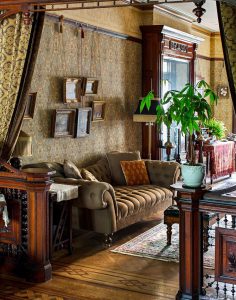
Rich wood tones, carved details, and classic silhouettes are central to traditional style. It often evokes elegance and warmth.
Contemporary
Similar to modern but more adaptable, contemporary furniture reflects current trends with smooth textures and inventive shapes.
Rustic
Natural materials like reclaimed wood and stone give rustic furniture a warm, earthy appeal.
Industrial
Inspired by factories and lofts, industrial pieces feature exposed hardware, metal frames, and rough wood finishes.
Materials Used in Furniture
Wood
Wood remains the most popular and versatile furniture material.
-
Solid Wood: Durable and long-lasting
-
Engineered Wood: Budget-friendly and stable
-
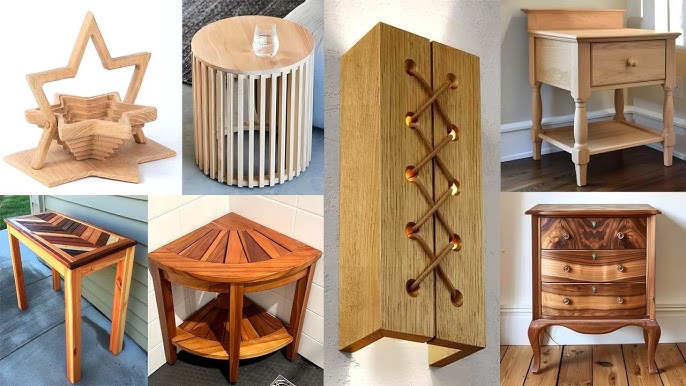
Hardwoods (oak, walnut, maple): Strong and visually appealing
Metal
Often used for modern and industrial designs due to its strength and sleek appearance.
Glass
Adds elegance and a sense of space to coffee tables and dining surfaces.
Upholstery
Fabric, leather, and synthetic blends contribute to comfort and style.
Rattan and Wicker
Ideal for outdoor and bohemian interiors due to their light weight and natural look.
How to Choose Furniture Wisely
Match Your Space
Always measure the room and doorways before purchasing. This prevents overcrowded rooms and delivery issues.
Focus on Quality
Examine joints, frame construction, fabric stitching, and hardware durability. A well-built piece feels solid and stable.
Consider Lifestyle Needs
Households with children or pets may prefer stain-resistant fabrics, rounded edges, or heavy-duty materials.
Balance Comfort and Aesthetics
Choose pieces that feel good to use daily while complementing your décor style.
Set a Realistic Budget
Higher-quality pieces may cost more but last significantly longer, offering better long-term value.
Furniture Maintenance Tips
Wood Care
Use gentle cleaners, avoid excessive moisture, and polish occasionally to maintain shine and prevent cracking.
Upholstery Care
Vacuum regularly, treat stains immediately, and rotate cushions to preserve shape.
Metal and Glass Care
Wipe metal frames with mild cleaners and use lint-free cloths for streak-free glass surfaces.
Outdoor Furniture Maintenance
Store cushions during extreme weather and clean frames to prevent mold or rust.
FAQs
1. How do I know if a piece of furniture is high quality?
Check for sturdy frames, smooth finishes, reinforced joints, and premium materials such as hardwood or thick upholstery.
2. What furniture should I buy first when furnishing a home?
Start with essentials like a bed, sofa, dining table, and storage pieces before adding decorative items.
3. Are engineered wood furniture pieces durable?
Yes, high-grade engineered wood can be long-lasting when well-constructed and properly cared for.
4. How often should I replace living room furniture?
On average, sofas last 7–15 years depending on usage and material quality.
5. Which furniture style works best for small spaces?
Modern and contemporary styles with clean lines, light colors, and multi-functional designs are ideal.
6. What’s the best fabric for families with kids and pets?
Microfiber, performance fabrics, and leather are durable, stain-resistant choices.
7. How can I make my furniture last longer?
Regular cleaning, proper placement away from direct sunlight, and preventive maintenance significantly extend lifespan.