
















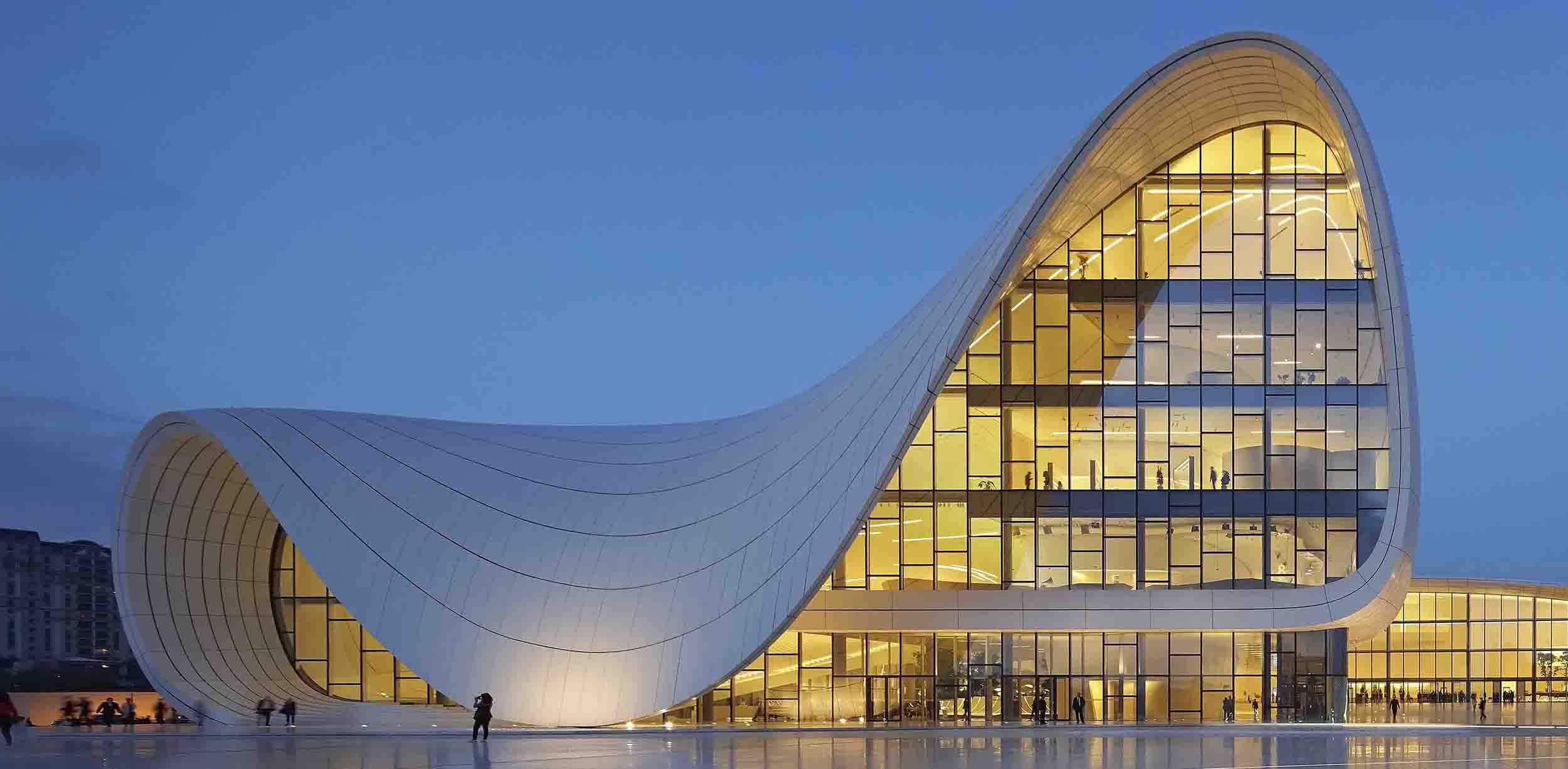
Architecture is more than the art and science of designing buildings—it is a discipline that shapes how people live, move, and interact with their environment. From ancient monuments to smart cities, architectural practice continues to evolve while balancing functionality, aesthetics, and sustainability.
What Is Architecture?
Architecture refers to the planning, designing, and constructing of physical structures and spaces. It integrates engineering, art, environmental science, and human behavior to create functional and meaningful environments.
Core Purposes of Architecture
-
Shelter and protection
-
Aesthetic expression
-
Cultural identity
-
Functional organization of space
-
Environmental harmony
Fundamental Principles of Architectural Design
1. Balance and Proportion
Effective architecture relies on human-centered proportions and visual balance. This may involve symmetry, asymmetry, or radial composition to create a cohesive appearance.
2. Functionality
A structure must serve its intended purpose. Whether it’s a home, museum, or airport, architecture prioritizes efficient use of space and user comfort.
3. Materials and Texture
Architects carefully choose materials like stone, steel, concrete, or glass based on:
-
Durability
-
Climate
-
Cost
-
Environmental impact
-
Desired aesthetic
4. Light and Space
Natural and artificial lighting drastically influence the experience of a space. Strategic use of openings, skylights, and shading shapes a building’s atmosphere.
5. Sustainability
Modern architecture emphasizes eco-friendly practices such as:
-
Passive ventilation
-
Solar energy utilization
-
Recycled materials
-
Green roofs
-
High-efficiency insulation
Historical Evolution of Architecture
Ancient Architecture
Early structures like Egyptian pyramids, Greek temples, and Roman amphitheaters prioritized monumentality and precision engineering.
Medieval Architecture
The medieval era saw the rise of Gothic cathedrals, with pointed arches, tall spires, and elaborate stained glass windows.
Renaissance Architecture
This period revived classical orders, emphasizing:
-
Symmetry
-
Mathematical proportion
-
Ornamental detailing
Modernist Architecture
The 20th century introduced minimalist approaches that favored:
-
Clean lines
-
Functional forms
-
Industrial materials
Contemporary Architecture
Today’s architecture blends technology, sustainability, and artistic experimentation. Landmark buildings often incorporate organic shapes, digital design tools, and adaptable spaces.
Major Architectural Styles
Classical Architecture
Recognizable through columns, pediments, and stone materials. Greek and Roman structures define this style.
Gothic Architecture
Features include:
-
Ribbed vaults
-
Flying buttresses
-
High pointed arches
Baroque Architecture
Characterized by:
-
Dramatic ornamentation
-
Curving forms
-
Sense of motion and grandeur
Modern Architecture
Defines simplicity and rejects ornamentation. Famous for the phrase “form follows function.”
Postmodern Architecture
Reacts to modernism by reintroducing color, symbolism, and eclectic forms.
Innovations Shaping Modern Architecture
Smart Buildings
Integration of IoT systems enables:
-
Automated lighting
-
Climate control
-
Energy monitoring
Parametric Design
Computer algorithms allow architects to create complex geometries that were once impossible.
Sustainable Cities
Urban planning increasingly focuses on:
-
Green infrastructure
-
Walkability
-
Renewable energy adoption
Prefabricated and Modular Construction
Speeds up building processes while reducing waste and cost.
The Role of Architects Today
Architects collaborate with engineers, planners, and designers to tackle global challenges such as urban density, climate resilience, and affordable housing. Their role encompasses research, project management, digital modeling, and creative problem-solving.
FAQs
1. What skills are essential for becoming an architect?
Architects require design creativity, technical drawing skills, spatial awareness, engineering understanding, and strong communication abilities.
2. How long does architectural education typically take?
Most countries require a 5–7 year educational pathway, plus professional training or licensing exams.
3. What software tools do architects commonly use?
Popular tools include AutoCAD, Revit, SketchUp, Rhino, and BIM platforms for 3D modeling and project coordination.
4. How does sustainable architecture benefit cities?
It lowers energy consumption, reduces pollution, improves public health, and enhances long-term economic efficiency.
5. What is the difference between architecture and interior design?
Architecture focuses on building structure and form, while interior design concentrates on internal space aesthetics and functionality.
6. Why are architectural styles important?
Styles reflect cultural values, technological capabilities, and historical influences, helping define identity and context.
7. How is technology influencing future architecture?
Emerging tools like AI-assisted design, robotics, and digital fabrication are transforming how buildings are conceptualized and constructed.