
















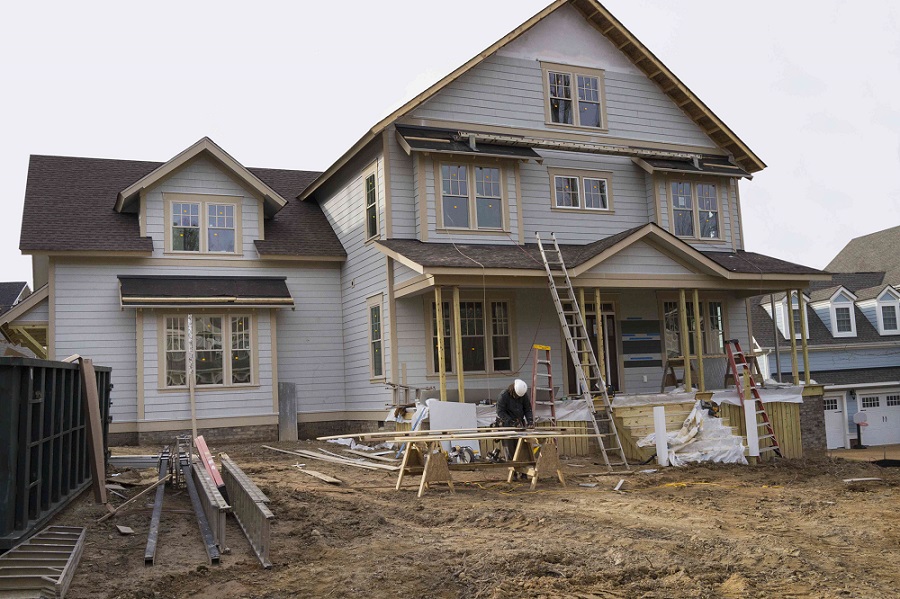
Home remodeling is an effective way to enhance comfort, improve functionality, and increase property value. Whether updating a single room or reimagining your entire home, proper planning creates a smoother, more efficient renovation experience.
Defining Your Remodeling Goals
Understanding the purpose of your remodel helps shape every decision that follows. Homeowners typically renovate to modernize outdated spaces, improve layout efficiency, increase home value, or accommodate lifestyle changes such as growing families or remote-work needs.
Planning Your Remodeling Project
A successful remodel starts with a clear plan. Begin by evaluating the structural condition of your home, noting areas that require repair or modernization. Create a vision board or list of must-have features, such as additional storage, open-concept layouts, or energy-saving appliances. Establish realistic timelines, keeping in mind that larger projects may require temporary relocation.
Setting a Practical Budget
Budgeting is one of the most important aspects of remodeling. Consider costs related to materials, labor, permits, design services, and potential contingencies. Allocate a buffer of at least 10–15% to handle unforeseen issues like hidden water damage or structural repairs. Prioritize upgrades that offer long-term value, such as kitchen improvements or energy-efficient systems.
Working With Professionals
Hiring qualified professionals ensures quality workmanship and adherence to safety and building regulations. Depending on the project, you may need architects, contractors, electricians, plumbers, or interior designers. Request detailed quotes, verify credentials, and review portfolios to select the right team. Clear communication with contractors helps avoid misunderstandings and delays.
Selecting Materials and Design Elements
Your choice of materials greatly influences both the appearance and durability of your remodeled space. Consider long-lasting options such as hardwood or engineered flooring, stone countertops, and moisture-resistant cabinetry for high-traffic areas. Choose design elements that align with your style while maintaining cohesion with the overall home aesthetic.
Managing the Remodeling Process
Once construction begins, regular project monitoring helps keep progress on track. Maintain open communication with contractors, review completed work, and confirm that materials match your original selections. Be prepared for temporary inconveniences such as noise, dust, and limited access to certain areas of the home.
Final Inspections and Finishing Touches
After construction, conduct a thorough walkthrough to ensure everything meets your expectations and complies with building standards. Address minor touch-ups promptly. Add décor, lighting, and organizational elements to complete the transformation and create a polished, functional space.
Frequently Asked Questions
1. How long does a typical home remodeling project take?
Timelines vary depending on the project size. Minor renovations may take a few weeks, while full home remodels can last several months.
2. What areas of a home provide the best return on investment when remodeled?
Kitchens, bathrooms, and outdoor living spaces often generate the highest value increases.
3. Do I need a permit for every remodeling project?
Not all projects require permits, but structural changes, electrical work, and plumbing updates typically do. Always check local regulations.
4. How can I reduce remodeling costs without sacrificing quality?
Choose cost-effective materials, prioritize essential upgrades, and compare quotes from multiple contractors.
5. Is it better to remodel or move to a new home?
This depends on your budget, long-term plans, and the condition of your current home. Remodeling is often more cost-effective when only specific areas need updates.
6. How do I choose the right contractor?
Look for licensed, insured professionals with strong reviews, transparent pricing, and a portfolio of similar projects.
7. Can I live in my home during a major remodel?
Living onsite is possible for some projects, but extensive renovations involving utilities or structural changes may require temporary relocation.