











Interior design is a thoughtful blend of creativity, functionality, and human-centered planning. It shapes the way we live, work, and feel inside a space, making it not only visually appealing but also highly practical. Whether you’re redesigning a single room or planning a complete home makeover, understanding the foundations of interior design helps you achieve a result that feels cohesive and meaningful.
Understanding the Purpose of Interior Design
Interior design goes beyond decorating. It considers how people interact with spaces and how design choices influence their comfort, mood, and productivity. Designers analyze room proportions, movement patterns, lighting, and textures to craft environments that feel balanced and intentional.
Key elements include:
-
Space planning
-
Color selection
-
Furniture layout
-
Lighting strategy
-
Materials and textures
-
Functional flow
Core Principles of Effective Interior Design
1. Balance
Creating balance means distributing visual weight evenly. This can be:
-
Symmetrical – mirroring elements on both sides
-
Asymmetrical – balancing different objects with visual equivalence
-
Radial – arranging elements around a central focal point
2. Harmony and Unity
A space feels harmonious when colors, textures, and styles work together, creating a sense of continuity.
3. Contrast
Contrast draws attention and adds energy. Using light vs. dark, smooth vs. rough, or large vs. small elements can elevate a room’s character.
4. Rhythm
Rhythm guides the eye through a room using patterns or repeated design elements such as shapes, colors, or lines.
5. Emphasis
Every room benefits from a focal point—whether it’s a fireplace, artwork, or statement furniture—giving the space a sense of visual direction.
6. Scale and Proportion
Choosing furniture and décor that fit a room’s size prevents overcrowding or emptiness.
Popular Interior Design Styles
Modern
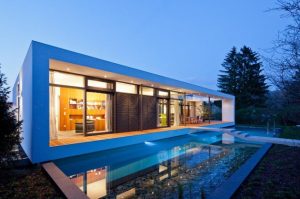
Characterized by clean lines, open spaces, and a neutral color palette. Materials like glass, steel, and natural woods dominate this style.
Contemporary
Ever-evolving and trend-driven, contemporary design embraces smooth forms, soft colors, and innovative materials.
Minimalist
Inspired by the “less is more” philosophy, minimalist interiors emphasize simplicity, functionality, and clutter-free spaces.
Scandinavian
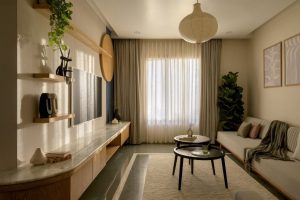
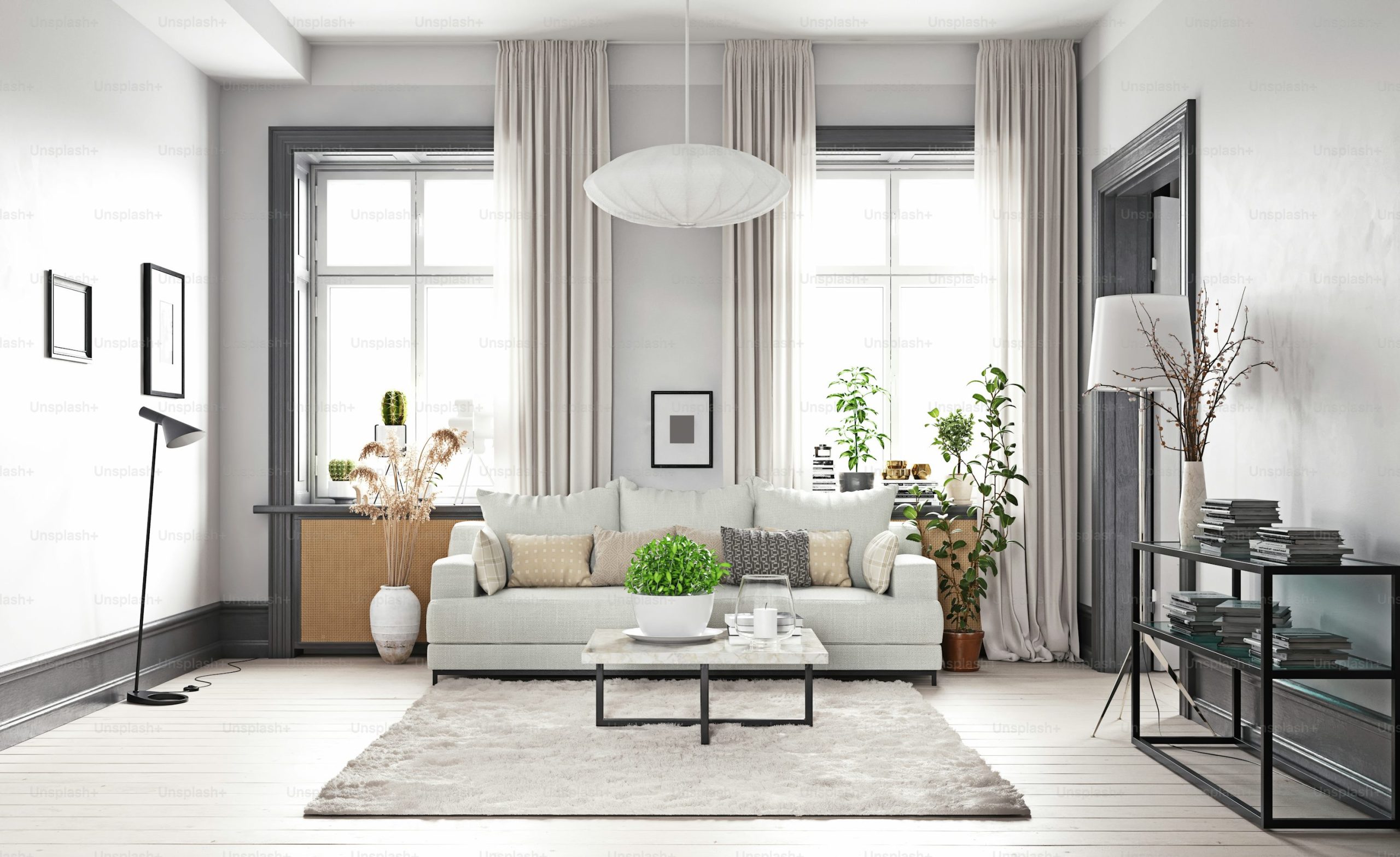
Known for light colors, natural textures, cozy textiles, and simple forms, Scandinavian design blends warmth with functionality.
Industrial
Exposed brick, concrete, metal fixtures, and raw finishes define industrial spaces, often inspired by old factories and warehouses.
Traditional
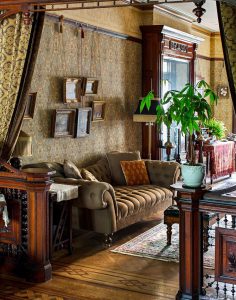
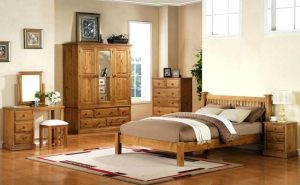
Classic, timeless, and elegant. This style includes rich wood furniture, structured layouts, and ornate detailing.
Essential Tips for Designing Your Space
Choose a Purpose for Each Room
Before selecting décor, clarify the room’s primary function. This ensures your design decisions support everyday use.
Create a Functional Layout
Think about how you move within a space. Arrange furniture to promote flow rather than obstruction.
Invest in Quality Lighting
Use layers of lighting:
-
Ambient for general illumination
-
Task for specific activities
-
Accent to highlight features
Use Color Intentionally
Warm tones create energy, while cool tones promote calm. Neutral palettes offer flexibility and long-term appeal.
Mix Textures for Depth
Combine fabrics, wood grains, metal finishes, and natural fibers to add richness and visual interest.
Personalize Your Space
Incorporate meaningful décor: art, travel mementos, books, or handmade items that reflect your personality.
Avoid Overcrowding
A space needs room to breathe. Thoughtfully selected items have more impact than excessive décor.
Frequently Asked Questions
1. How do I choose the right color scheme for my home?
Start with a main color you naturally gravitate toward and build around it using complementary or neutral tones.
2. What’s the easiest way to update a room without renovating?
Changing textiles—such as rugs, curtains, and cushions—can dramatically refresh a room with minimal effort.
3. How can I make a small room appear larger?
Use light colors, mirrors, multi-functional furniture, and decluttered layouts to maximize space perception.
4. What lighting is best for living rooms?
A combination of ambient, task, and accent lighting ensures comfort, usability, and atmosphere.
5. How do I choose the right furniture size for a room?
Measure the room carefully and select pieces that allow for comfortable movement and balanced visual proportions.
6. What’s the difference between modern and contemporary design?
Modern is a defined style rooted in the mid-20th century, while contemporary design evolves with current trends.
7. How do I create a cohesive look across different rooms?
Use a consistent color palette, repeated materials, or similar design motifs to unify your home.


