














When it comes to protecting your home from Florida’s intense sun and unpredictable weather, choosing the right roofing professionals is crucial. Whether you’re repairing storm damage or installing a custom design, working with experienced roofers in Daytona Beach ensures both reliability and long-term value. This guide offers an in-depth look at everything you need to know—from materials and installation to maintenance and budgeting—so you can make confident, informed decisions about your roof.
Discovering Daytona Beach Roofers: What Sets Them Apart?
The Local Advantage: Why Choose Local Expertise?
When it comes to roofing services in Daytona Beach, local expertise can make a substantial difference in the quality, efficiency, and reliability of the work performed. Local roofers in Daytona Beach possess an intimate knowledge of the specific weather patterns and environmental conditions unique to the area. This understanding allows them to recommend the most suitable materials and techniques to withstand the region’s humidity, intense sun exposure, salt air from the ocean, and frequent storms.
Working with a local roofer also means quicker response times. In emergency situations like hurricane damage or unexpected leaks, a nearby contractor can begin assessments and repairs faster. Furthermore, local professionals are more likely to follow up after project completion to ensure customer satisfaction. They rely heavily on word-of-mouth and community reputation, which encourages higher service standards and long-term client relationships.
Additionally, local roofers often have strong relationships with nearby suppliers, leading to better pricing and faster service. This local integration results in better warranties, prompt service calls, and consistent communication—offering homeowners peace of mind knowing their property is in good hands.
Roofing Materials That Shine Under the Sun
Material Options for Florida Homes
Daytona Beach’s sunny climate presents both opportunities and challenges for roofing. Homeowners must consider materials that not only enhance their home’s appearance but also endure intense heat, humidity, and storms. Traditional asphalt shingles remain a popular choice due to their affordability and availability. However, they may not always be the most durable or energy-efficient option.
Metal roofing is gaining traction thanks to its longevity, resistance to corrosion, and ability to reflect sunlight—resulting in lower cooling costs. These roofs can last 40-70 years with minimal maintenance and come in various styles that mimic other materials, like wood or tile.
Clay and concrete tiles offer timeless beauty and remarkable durability. Their weight requires a strong structural foundation, but they provide excellent insulation, helping to stabilize indoor temperatures. This makes them ideal for homes in Daytona Beach that seek a mix of aesthetics and performance.
Slate roofing is another premium option that boasts impressive longevity and a high-end appearance. However, due to cost and weight, it’s less common. Synthetic options that mimic slate or wood shakes are also available, offering style with reduced cost and maintenance.
Cool Roof Technology
Cool roofs are designed to reflect more sunlight and absorb less heat than standard roofs. Many roofing materials now come in “cool” versions, including asphalt, metal, and tile. Investing in a cool roof can lead to significant energy savings by reducing the need for air conditioning during Florida’s hot summers.
Homeowners should consult with professionals to determine which material best meets their needs, considering budget, maintenance, and climate resistance.
The Importance of Licensing and Insurance in Roofing
What to Look for in a Qualified Roofer
Licensed roofers in Daytona Beach are required to meet strict guidelines set by the state and local authorities. This includes demonstrating technical proficiency, passing licensing exams, and adhering to ongoing education requirements to stay current with building codes.
Unlicensed contractors might offer tempting lower prices, but hiring them comes with significant risks, such as subpar work, code violations, and liability issues. Homeowners could end up paying much more in repairs, fines, or legal fees down the line.
Insurance: Your Safety Net
Reputable roofing companies carry both liability insurance and workers’ compensation coverage. Liability insurance protects homeowners in the event of accidental property damage during the project, while workers’ comp covers injuries sustained by laborers on the job.
Before signing any contract, homeowners should request proof of both types of insurance and verify the contractor’s license number with local licensing boards. This ensures accountability and reduces financial and legal risks.
Services You Didn’t Know Your Roofer Could Offer
Beyond Installation: Comprehensive Roof Repairs Explained
Roofers do much more than install new shingles. They are trained to identify and fix a wide range of issues—from minor leaks and weather damage to extensive structural repairs. Many problems that start small can quickly escalate if not addressed.
Preventive maintenance services such as sealing seams, replacing flashing, cleaning debris, and checking vents can extend a roof’s lifespan. Some roofers even offer infrared scanning technology to detect moisture under the roofing membrane, helping identify potential issues before they become visible.
Routine maintenance, particularly after a storm or hurricane season, can help protect the home from internal water damage, mold growth, and insulation breakdown.
Ventilation Magic: Enhancing Roof Performance and Longevity
Ventilation is essential to the health of your roofing system. Poor ventilation can trap heat and moisture in the attic, causing structural damage, high energy bills, and mold. A well-ventilated attic reduces the workload on your HVAC system and keeps your roof cooler in summer.
Professional roofers can assess your home’s ventilation needs and recommend components such as ridge vents, soffit vents, and attic fans. The goal is to create a balanced airflow that prevents moisture buildup and improves energy efficiency year-round.
Custom Roof Designs: Making Your Home Stand Out
In Daytona Beach, a coastal and tourism-driven region, curb appeal can significantly impact property value. A custom roof is an opportunity to make a statement and enhance a home’s architectural character.
Professional roofers can offer digital mockups to help visualize different styles and colors. Popular customizations include multi-colored shingles, asymmetrical designs, skylight integration, and green roofs with sustainable features.
Custom roofing may also involve structural upgrades to support heavier materials or to achieve unique silhouettes. A knowledgeable contractor can navigate zoning requirements and aesthetic regulations in neighborhoods with HOA guidelines.
Understanding the Roofing Process: From Consultation to Completion
The Initial Consultation: What to Expect and How to Prepare
The roofing process begins with an in-depth consultation. Homeowners should prepare by noting their concerns, preferences, and any history of leaks or previous repairs. Having photos or records can help guide the discussion.
During the consultation, roofers will perform a visual inspection, take measurements, and possibly conduct a drone survey or moisture scan. They’ll provide estimates, discuss materials, and outline timelines and steps.
This is also the time to ask about warranties, maintenance expectations, and payment schedules. Transparency at this stage helps prevent surprises and sets the tone for a smooth project.
The Art of Roofing: Installation Techniques and Best Practices
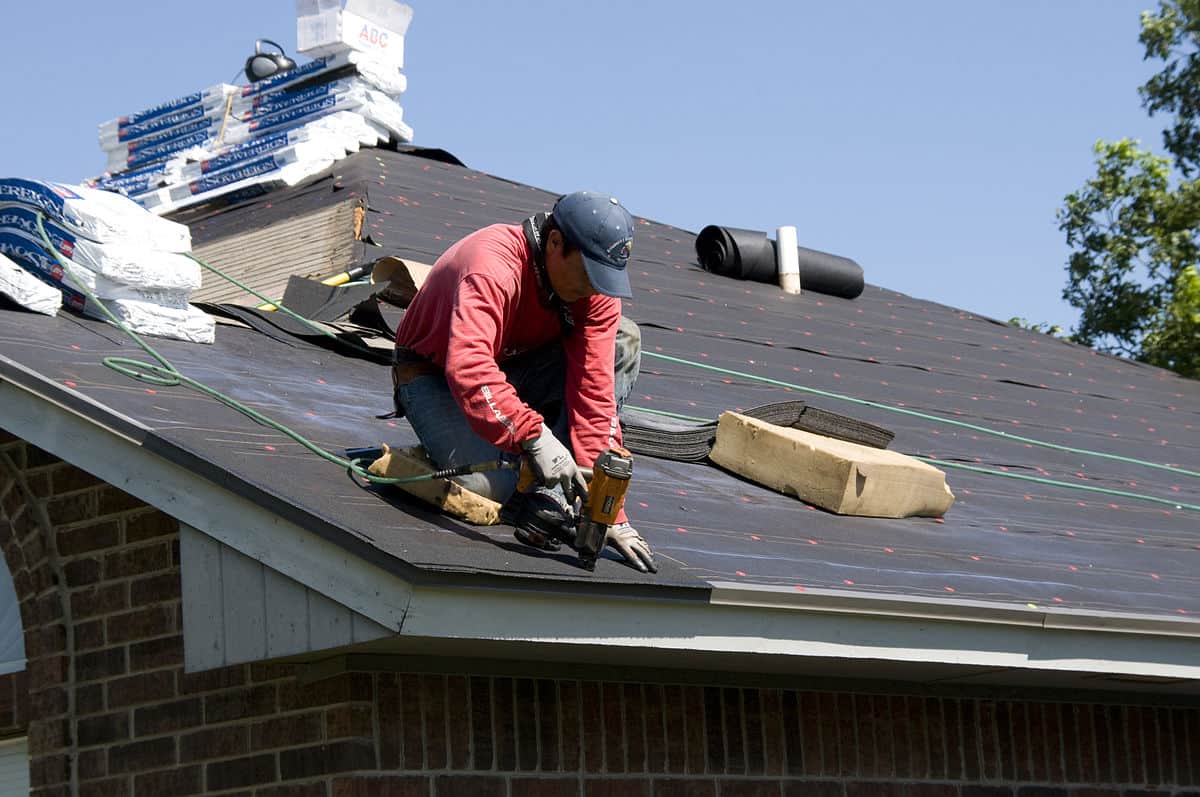
Roof installation involves multiple phases, including:
- Tear-off: Removing old materials
- Inspection: Checking the decking for rot or damage
- Underlayment: Adding protective layers to prevent water intrusion
- Installation: Laying and securing roofing materials
Experienced contractors follow best practices such as using starter shingles, sealing vulnerable areas, and installing drip edges. Proper flashing around vents, chimneys, and skylights is critical to prevent leaks.
They also follow safety protocols, using harnesses and scaffolding to protect workers and property. Each step is documented and photographed, providing transparency and quality assurance.
Post-Project Care: Maintenance Tips for Longevity
Roofing doesn’t end after installation. Homeowners should schedule regular inspections—ideally twice a year and after major storms. A proactive approach can add 5-10 years to your roof’s life.
Key maintenance tasks include:
- Clearing debris from gutters
- Inspecting flashing and seals
- Replacing cracked or loose shingles
- Watching for sagging or water stains inside the home
Many roofers in Daytona Beach offer annual maintenance plans that include checkups, minor repairs, and documentation for insurance purposes.
Budgeting for Your New Roof: Investments Worth Making
Cost vs. Value: How to Calculate Your Roofing Budget
Budgeting for a new roof involves more than just calculating material and labor costs. Consider the total value over time—including energy savings, maintenance, resale value, and lifespan.
Quality materials and installation might have a higher upfront cost but can offer decades of performance. Skimping on key features like underlayment or flashing can result in costly repairs.
Homeowners should also budget 10-20% for unforeseen issues such as rot, structural reinforcement, or permit fees.
Financing Options Available for Daytona Beach Residents
Roofing is a significant investment, but many options are available to ease the financial burden. These include:
- Personal home improvement loans
- Home equity lines of credit (HELOCs)
- Contractor financing plans
- Federal energy efficiency rebates
Some roofing companies partner with lenders to offer no-interest or deferred-payment options. Be sure to compare terms and assess total cost over time.
Understanding Warranties: What You Should Know Before Committing
Warranties protect your investment and should be clearly understood before signing any contract. There are two main types:
- Manufacturer warranties: Cover material defects (20 years to lifetime)
- Workmanship warranties: Cover installation errors (1 to 10 years or more)
Read the fine print. Some warranties require regular maintenance or inspections to remain valid. Keep all documentation and take photos during the installation for your records.
Final Thoughts
A new roof is one of the most impactful investments you can make in your home. By working with experienced, licensed, and insured roofers in Daytona Beach, you ensure your project is handled with care, professionalism, and an understanding of the local climate. Whether you’re looking to repair, replace, or reinvent your roof, this guide arms you with the insights you need to navigate the process with confidence and clarity.


